Premium
SUV
Full Specs
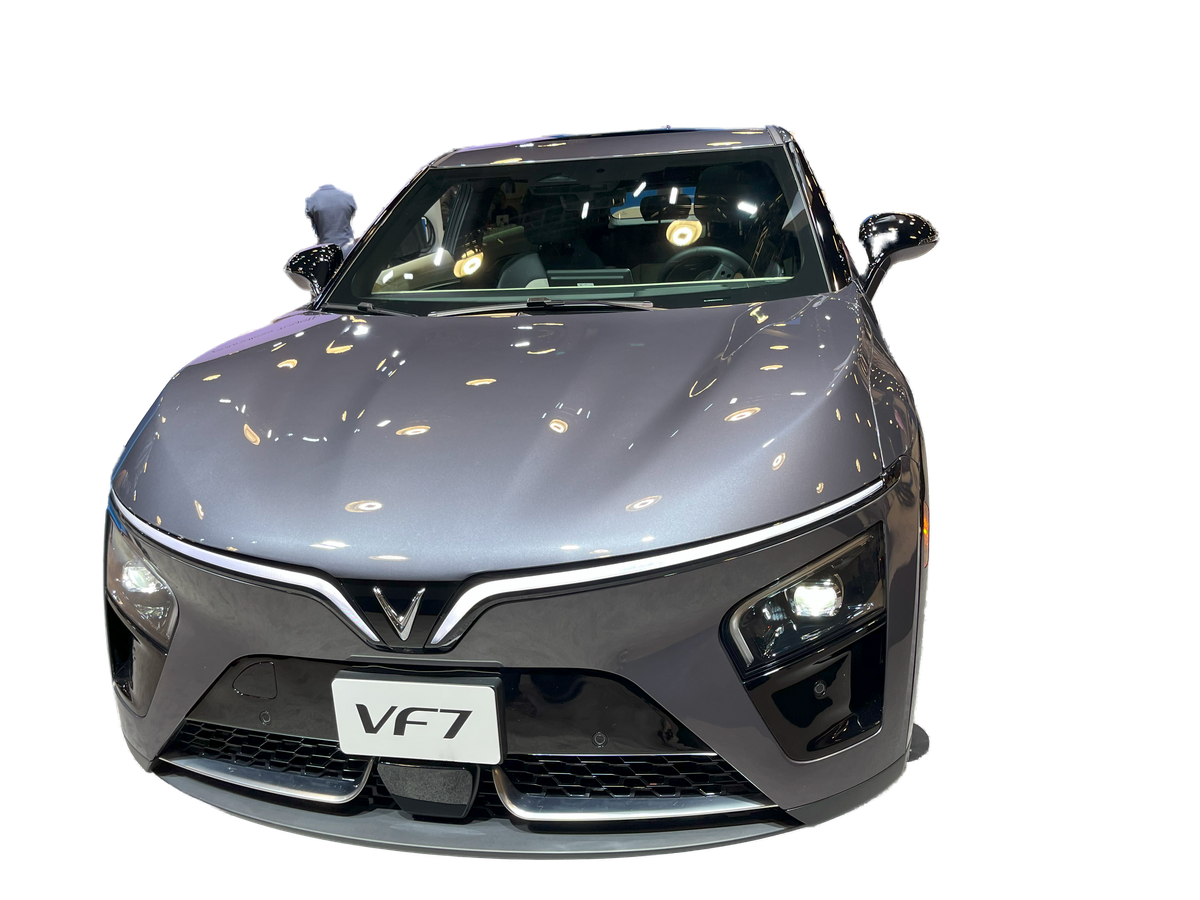
VinFast VF 7 Standard
₹ ex-showroom, Delhi
Real-world estimates — not the manufacturer’s optimistic test figures
Compared across all four ways you might charge this car
Compared to a petrol car at ₹100/litre & 15 km/litre (₹667 per 100 km) — this EV costs roughly 82% less to run per km.
Every detail — explained in plain English
| Battery size | 75.0 kWh75.0 units of electricity |
| Battery type | NMCNickel-manganese — high energy density, more range per kg. Common in premium EVs. |
| System voltage | 400 V400V — compatible with all CCS2 fast chargers across India. |
| Water protection | IP67Can handle heavy rain and splashes |
| Official claimed range | 500 kmOfficial test — real-world is 15–20% lower |
| Real range (city) | ~390 km |
| Real range (highway) | ~420 km |
| Real range (mixed) | ~450 kmBest estimate for everyday use |
| Efficiency | 150.0 Wh/km6.67 km per unit of electricity |
| Battery warranty | 5 years / 100,000 km |
| Max home speed | 11 kWThis is the max the car's built-in charging brain can handle |
| Supply type | Three-phaseNeeds 3-phase supply (industrial/premium homes). Ask your electrician. |
| Plug type | Type 2Standard AC charging plug |
| Full charge (0→100%) | ~6–7 hrs (0→100%) |
| 20% → 80% | ~4h 5minThe “safe daily” charging window for battery health |
| Fastest home setup | 7.4 kW wallboxCharges in ~10h 25min — halves wait vs basic socket |
| Max rapid speed | 150 kWUltra-fast. Can use any rapid charger in India at full speed. |
| Connector | CCS2 (standard fast-charge plug in India) |
| Max voltage | 920 V |
| 20% → 80% | ~18 minutesAt a public rapid charger — like a petrol pump for electricity |
| Best used for | Long road tripsNot needed for daily driving — home charging covers most days |
Size, weight and crash safety
Questions about this car, charging tips, or your ownership experience? Share below.